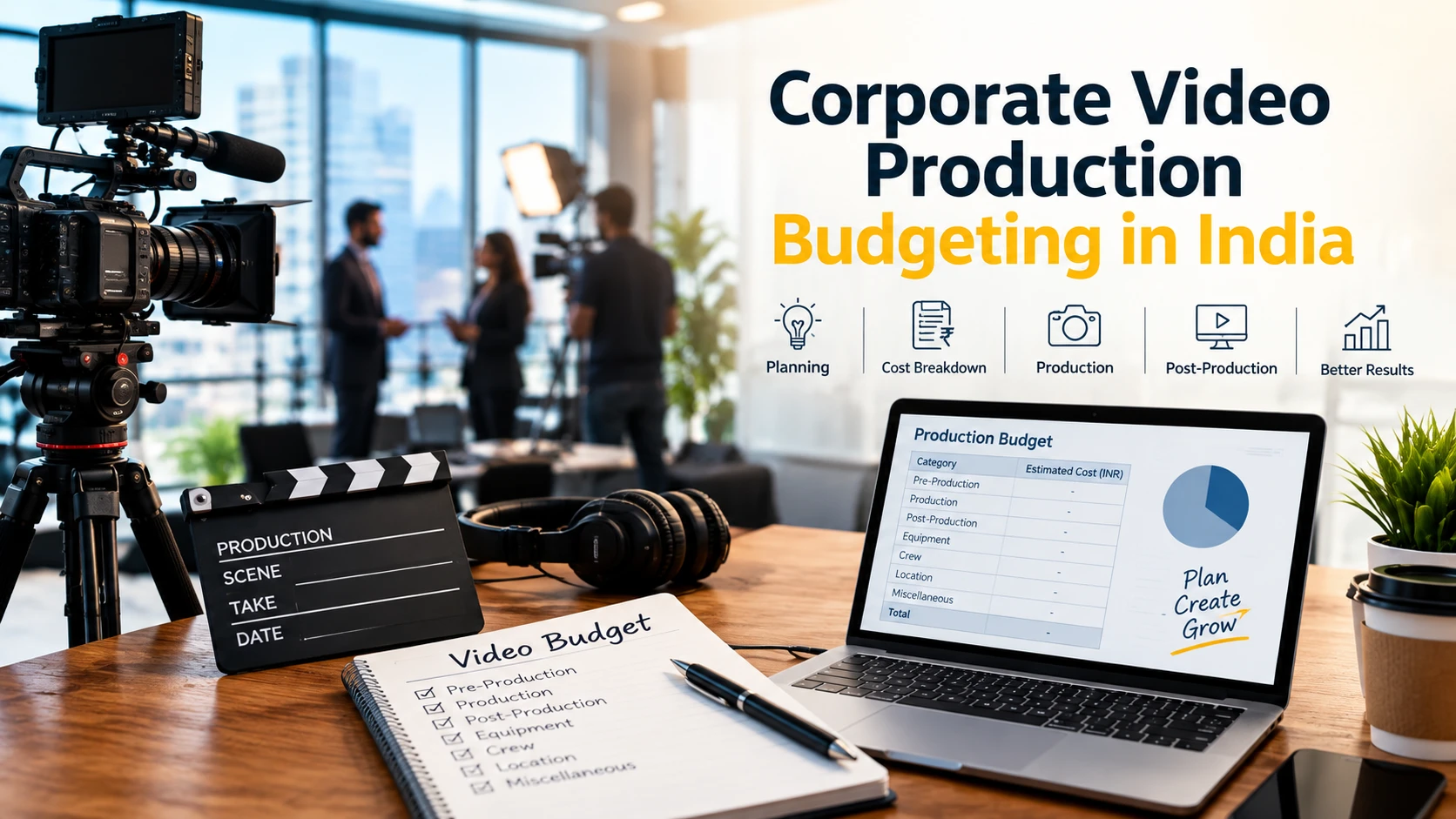
Commissioning a corporate video is one of the most effective ways for a brand to communicate its values, showcase products, and build trust with stakeholders. However, marketing teams and business leaders often encounter significant price variations when requesting quotes from video production houses in India. Understanding the real factors behind corporate video production cost in India allows brands to allocate resources efficiently while achieving cinematic results.
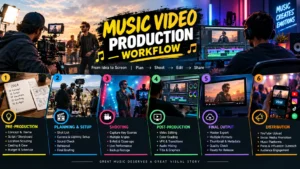
A successful commercial film or corporate video relies on three distinct operational phases: pre-production, production, and post-production. Each phase involves specific line-item expenses that directly influence the final visual quality and strategic impact of your video.
1. Pre-Production Costs: Building the Blueprint
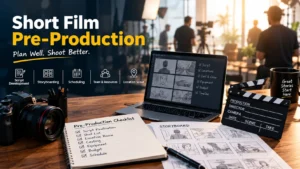
Pre-production sets the creative direction and structural foundation of the entire video project. Skipping or rushing this stage often leads to costly revisions during filming and post-production.
Key pre-production line items include:
- Concept Development & Scriptwriting: Professional scriptwriters draft compelling narratives that align with your corporate messaging and target audience expectations.
- Storyboarding & Shot Division: Visual boards outline camera angles, transitions, and scene pacing before any camera equipment arrives on set.
- Location Scouting & Clearances: Securing corporate offices, industrial sites, or specialized studio spaces often requires location permits and site coordination fees.
- Casting & Talent Sourcing: Hiring professional actors, voiceover talent, or corporate presenters involves auditioning fees and talent usage rights.
2. Production Expenses: Crew, Cinema Gear, and On-Set Logistics
The production phase represents the actual filming days. The total cost here depends heavily on the scale of your production, crew size, and technical gear requirements.
Essential production expenses include:
- Key Crew Personnel: A standard corporate film crew includes a director, cinematographer (Director of Photography), gaffer, sound recordist, assistant camera operators, and production assistants. Specialized projects may require art directors or hair and makeup artists.
- Camera and Lighting Packages: Depending on visual goals, gear ranges from compact cinema setups to high-end digital cinema cameras, cinema lenses, wireless monitoring, multi-point LED/HMI lighting rigs, and stabilization tools like gimbals or jibs.
- Location & Travel Logistics: Transportation, crew catering, insurance, and equipment freight fees form essential parts of line production logistics.
3. Post-Production Costs: Editing, Color, and Sound Design
Post-production transforms raw video footage into a cohesive, high-impact corporate film. High-grade post-production is what elevates a basic recorded video into a polished brand film.
Core post-production components include:
- Offline and Online Video Editing: Assembly editing, scene pacing, corporate graphic overlays, and fine cuts.
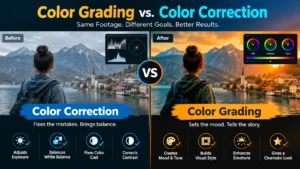
- Color Correction & Color Grading: Professional colorists adjust skin tones, balance exposure, and apply dedicated visual grading matching your brand palette.
- Sound Design & Audio Mixing: Professional audio engineers clean on-set dialogue, balance background scores, and engineer sound effects for clear, immersive playback across mobile and corporate sound systems.
- Licensed Music Tracks & Voiceover: High-quality corporate videos require commercial music licensing and studio-recorded professional voiceover narration.
- Motion Graphics & Animations: Adding lower thirds, kinetic typography, 2D logos, or 3D product visualizations enhances viewer engagement.
Common Hidden Costs & How to Avoid Budget Leaks
Unexpected budget inflation usually occurs when project scopes change mid-stream. Brands can avoid extra expenses by identifying potential budget risks early:
- Unplanned Revisions: Establish clear internal review protocols to avoid structural script changes after filming has concluded.
- Extended Shooting Hours: Overtime charges apply when shoot schedules exceed planned full-day shifts (typically 10 to 12 hours).
- Broad Broadcast Rights: Ensure commercial licenses for background music and voiceover talent cover all your planned distribution channels (e.g., social media, internal portals, television, or digital ads).
Partnering with an Experienced Production Team
A well-structured budget is not about cutting corners; it is about maximizing value in every frame. Working with a dedicated production agency ensures transparent line-item estimates, structured milestone delivery, and professional creative execution tailored to your corporate objectives.
If you are planning an upcoming corporate film, commercial ad, or brand story, explore professional video creation solutions on Yuvatar Films to discuss your vision and receive a tailored production proposal.
3. Article Body Word Count
790 Words (Excluding title, metadata, and separate FAQs)
4. Separate Frequently Asked Questions (FAQs)
Q1: How much does a corporate video cost in India on average?
A: Corporate video production costs in India vary widely based on scope. Simple executive interviews or event coverage start at lower tiers, while high-end brand films with multi-day shoots, professional actors, motion graphics, and advanced color grading require custom line-item budgets.
Q2: How long does it take to produce a professional corporate video?
A: A typical corporate video project takes between 3 to 6 weeks from initial script approval to final delivery, depending on the complexity of pre-production planning and post-production animation requirements.
Q3: Can we film a corporate video inside our own office premises?
A: Yes, filming inside your corporate office is a cost-effective way to showcase authentic workplace culture. The production crew will assess lighting, acoustic conditions, and space layouts beforehand during pre-production location scouting.
Q4: What factors most significantly affect the overall corporate film budget?
A: The primary cost drivers are crew size, the number of shooting days, camera/lighting specifications, specialized motion graphics, and commercial talent or music licensing requirements.